







Search Results for: Grapefruit C Americano

Luckin's Pomelo C Series is hailed as a fat-burning miracle, but testing shows that although its calories are low, it raises blood sugar fairly quickly, so those trying to lose fat should be cautious.
After the Luckin Yuzu C series returned, it quickly became popular, and many people on social platforms have hailed it as a "fat-flushing miracle," with claims even circulating that "one cup can make you lose two jin." However, actual test data show that although a single cup of the Yuzu C series contains about 105 to 150 calories, blood sugar rises fairly quickly after drinking it, and the blood sugar increase of Yuzu C Iced Tea can reach 5.1 half an hour after a meal. In addition, the formula contains high-fructose corn syrup and white granulated sugar, so so-called 0 fat does not equal low sugar. For people who need to lose fat or control blood sugar, this drink may not only fail to help with weight loss, but may instead promote fat synthesis and increase hunger due to a large secretion of insulin. This article, combining netizen reviews and formula information, restores the true picture of the Luckin Yuzu C series. [more…]
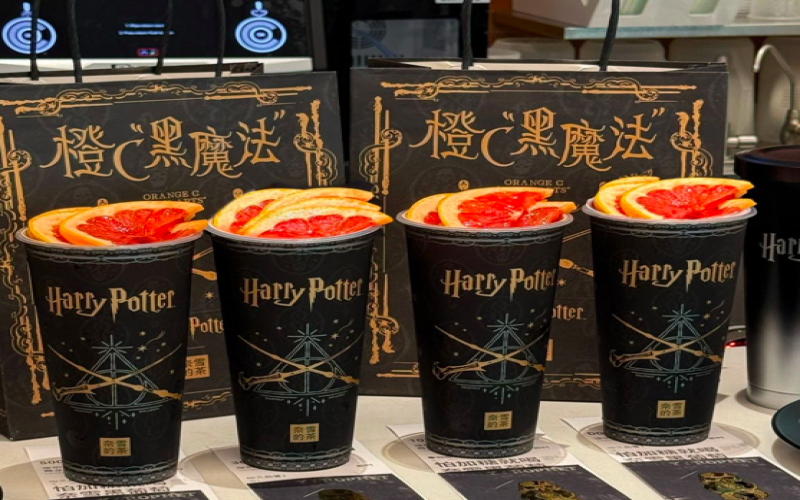
Nayuki's Harry Potter collaboration Halloween limited blood orange grapefruit drink draws consumer complaints over the bitter taste of grapefruit peel
During Halloween, major tea beverage brands have rolled out holiday-exclusive drinks to compete for young consumers. Nayuki has partnered with "Harry Potter" for a second time, launching a "Sugar-Free Blood Orange and Grapefruit" drink themed around Voldemort's "Dark Magic." However, this beverage, which uses blood orange and grapefruit to create a "blood-colored" atmosphere, has drawn complaints from consumers because the grapefruit peel was not removed, and the bitterness intensifies after prolonged steeping. Fans reported that the drink gets more bitter the more they sip, with some describing it as "more bitter than Americano." Nayuki staff explained that the grapefruit peel is kept to show the use of real ingredients, and advised drinking it as soon as possible or picking out the peel oneself. Nevertheless, some fans of the books took the bitterness in stride, saying it fits the Dark Magic theme. [more…]

Luckin Store Recipe Wall Sparks Discussion: New Observations on the Coffee Industry Behind Ingredient Transparency
Recently, the practice by several Luckin Coffee stores of posting drink recipes directly on their walls has sparked widespread discussion on social media. From Blue Diamond Ristretto Ice to Grapefruit C Americano, the detailed ratios of these signature drinks have been made public, allowing consumers to glimpse the internal operating procedures of a chain coffee brand. At the same time, Luckin's transparency regarding ingredient usage has also drawn attention, with raw material products even appearing on online shopping platforms labeled "dedicated for cheese latte." This phenomenon not only reflects the coffee industry's exploration of the balance between standardization and transparency, but also triggers discussion about the relationship between brands and consumers. For coffee enthusiasts, this may be an opportunity to understand how commercial coffee operates and even try to replicate it. Front Street Coffee reminds everyone that when making drinks at home, you can adjust the recipe ratios according to personal taste and enjoy the fun of DIY. [more…]

Starbucks Mayday Lyric Cups Draw Criticism: Labels Cover Designs, Duplicate Styles, Fans' Collecting Experience Diminished
Starbucks has once again teamed up with Mayday to launch a co-branded campaign, rolling out a Bergamot Grapefruit Sparkling Americano and themed limited-edition cups printed with classic Mayday lyrics. It should have been a grand occasion for fans to celebrate. However, after the campaign kicked off, many consumers took to social media to air their complaints: the drink labels happened to be stuck right over the lyric designs, and the residue was hard to remove after peeling them off; those who bought multiple cups in one go received the same design, dashing their collection plans. The brand and store staff have responded with explanations, saying the labels should be placed in the notes section, while the identical cups were due to stores needing to use up inventory in sequence. Is this collaboration full of sincerity or a failure in the details? Front Street Coffee walks you through the whole story. [more…]
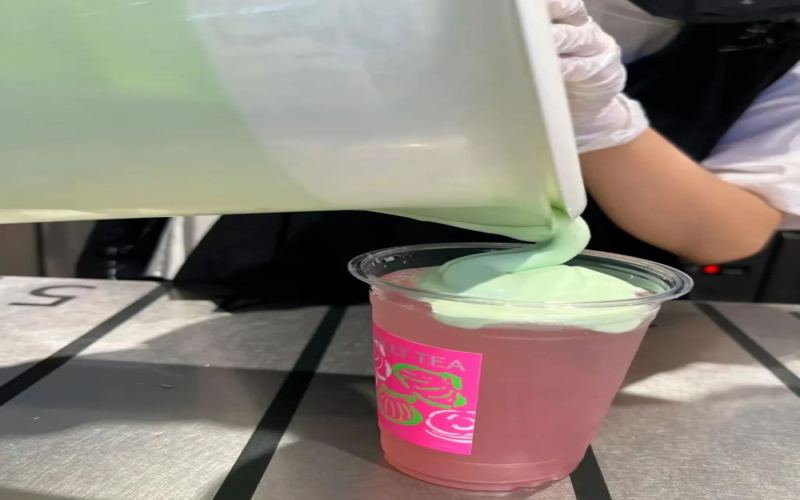
Jasmine Milk White Grapefruit Apple Coconut with Milk Foam Turns Color and Flocculates Afterward: Protein and Vitamin C Reaction Sparks Consumer Doubts
Molly Tea recently launched a pomelo-coconut series, including three new drinks: Pomelo Apple Coconut, Pomelo Jasmine Coconut, and Pomelo White Orchid Coconut. With a combination of refreshing pomelo-mint milk foam and fruit coconut water, they quickly attracted a large number of consumers. However, the most popular Pomelo Apple Coconut showed an abnormal phenomenon after adding the milk foam: the pink color faded, white flocculent substances appeared, and the liquid became cloudy like soy milk, raising customers' doubts about beverage safety and store ingredients. Store employees explained that this was caused by a chemical reaction between the protein in the milk foam and the vitamin C in the apple juice and pomelo juice, and was not due to spoiled ingredients. This article will reconstruct the course of the incident, consumer feedback, and the official response, and include the professional perspective of Front Street Coffee to help you understand the scientific principles behind this color-changing drink. [more…]
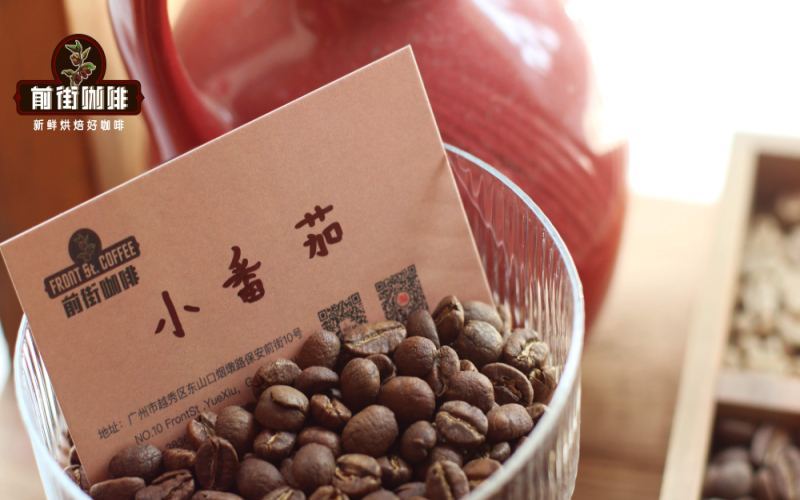
Kenyan Coffee Flavor Analysis: From K72 Washed Processing to Front Street Cherry Tomato Brewing Essentials
Kenyan coffee is renowned for its vibrant fruit acidity and full body, with flavor notes ranging from blackberry and grapefruit to smoked plum. This article systematically analyzes what makes Kenyan coffee unique, from production region classification and smallholder cooperative models to the K72-hour washed processing method, and introduces the "Little Tomato" coffee beans from the Asali processing station in the Thika region, now available at Front Street Coffee, including details on their origin, varieties, and flavor description. Finally, for brewing light-roasted Kenyan coffee, it shares advice on dripper selection, water temperature control, grind size assessment, and a three-pour schedule, helping coffee enthusiasts brew a clean, bright, perfectly balanced cup with balanced acidity and sweetness. [more…]
Kenyan Coffee Flavor Analysis: A Complete Guide from K72 Washed Processing to Front Street Cherry Tomato Pour-Over Parameters
Kenyan coffee is renowned for its vibrant fruity acidity and full body, with flavor layers ranging from blackberry and grapefruit to smoked plum, making it highly sought after by coffee enthusiasts. This article will begin with the flavor characteristics of Kenyan coffee, the smallholder cooperative farm model, and its unique grading system, with a focus on analyzing the K72-hour double washed processing method that creates its exceptional acidity and aroma. Meanwhile, the "Little Tomato" coffee beans from the Asali processing station in the Thika region, offered by Front Street Coffee, serve as a representative example with their smoked plum acidity and tomato-like fruity sweet-tartness. The article will also share Front Street's brewing tips for light-roasted Kenyan coffee, including dripper selection, water temperature control, grind size assessment, and the three-pour technique, helping you fully unlock the bright flavors of Kenyan beans. [more…]
Kenya AA Gichugu Coffee Beans: Origins, Variety Characteristics, and Flavor Profile Fully Explained
Kenya AA Nyeri Gichathaini Specialty Coffee Beans, with the two legendary varieties SL-28 and SL-34 and unique terroir, have become a sought-after treasure for coffee connoisseurs worldwide. From Ethiopia to Yemen, and then to the introduction of Brazilian Bourbon seeds, Kenyan coffee has gone through more than a century of evolution. This article will guide you through its origin and development, detail its blackberry and grapefruit-like fruity flavors, and help you master the most suitable brewing temperature and drinking rhythm. It will also introduce the auction system of the Kenya Coffee Board and the changes in production and prices worldwide. At the end, there is also a medium-light roast profile recommended by Front Street Coffee to help you unlock the best performance of these beans. [more…]

Salted Yuzu Dirty Recipe Detailed Guide: Key Techniques and Ingredient Ratios to Solve Milk Curdling Caused by Yuzu Juice
In recent years, the salted pomelo Dirty has become quite popular online, but many people frequently fail when trying to recreate it at home. The core difficulty lies in the acidity of the pomelo juice, which causes milk proteins to denature and curdle, seriously affecting the taste. Through multiple experiments, Front Street has found a method that is closer to the original: using concentrated pomelo juice combined with sucrose syrup to make a homemade pomelo syrup, then combining it with milk and espresso, and finally sprinkling on sour plum powder to create a unique experience of intertwined salty and sweet flavors. This article will share the complete production parameters and flavor layers of this drink, from material selection, syrup ratios, coffee bean recommendations, to specific operating steps, helping coffee enthusiasts make a rich, well-balanced salted pomelo Dirty at home. [more…]
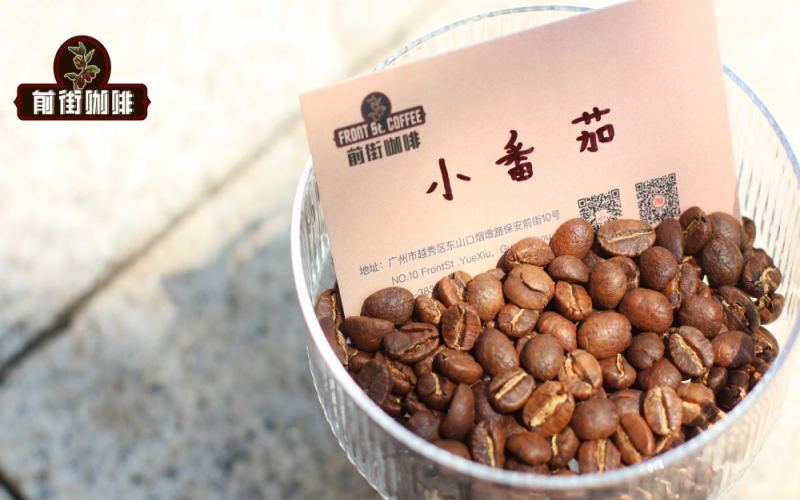
Kenyan Coffee Beans: Flavor Characteristics, Main Producing Regions, Pour-Over Parameters Explained, and Front Street Single-Origin Recommendations
Although Kenya is adjacent to Ethiopia and Yemen, its coffee-growing history is much shorter—seeds were not brought in by missionaries until the late 19th century. Today, Kenya is known for varieties such as SL28 and SL34 and its strict AA grading, producing high-quality Arabica with bright acidity and prominent berry and grapefruit aromas. In this article, Front Street Coffee will start with Kenya's coffee-producing regions, variety characteristics, and grading system, gradually analyzing its flavor expression, and share the complete parameters for a pour-over Kenya Little Tomato along with the three-pour brewing steps, taking you to experience a cup of Kenyan coffee that is as rich yet fresh as blackcurrant juice. [more…]
Front Street Coffee Bean Hunt: Exploring the Rare Pink Bourbon of Finca El Paraiso in Cauca, Colombia
In Cauca Province in southwestern Colombia, there is an estate called Paraiso, where a rather rare coffee variety is grown—Pink Bourbon. It is a cross between Red Bourbon and Yellow Bourbon. When the coffee cherries ripen, they take on a romantic pink color, but maintaining this color consistently is extremely difficult. Front Street Coffee has now gone deep into the Cauca producing region to bring this special report on a washed Pink Bourbon, breaking it down one by one, from the terroir of the producing region and the estate’s background to green bean characteristics, roasting curves, and cupping flavors. If you are interested in the diverse flavors of pour-over coffee, this bean—with notes of peach, plum, grapefruit, and a lingering tea-like floral aroma—may become your next choice to try. [more…]

A Complete Analysis of 13 Starbucks Coffee Beans: A Guide to Roast Levels and Flavor Comparison for Pour-Over and Americano
Starbucks' currently available coffee beans can be divided into Reserve and non-Reserve categories, with the non-Reserve category further covering three types: regular year-round offerings, seasonal limited editions, and single-origin, totaling thirteen varieties. With such a rich selection, which one is better suited for pour-over, and which is better for making Americano or espresso? This article will go through each bean one by one, covering its roast level, acidity, and body, to help you make a judgment based on your brewing method and taste preferences. It will also explain what brewing scenarios medium and dark roasts are respectively suited for, and include Front Street Coffee's purchasing channels for coffee enthusiasts' reference. [more…]
Analysis of the Acidity Characteristics and Origin Varieties of Kenyan Coffee: Where Does the Cherry Tomato Flavor Come From?
Kenyan coffee is renowned for its extremely high acidity and vivid fruity flavors, with blackberry and grapefruit-like notes that are highly sought after by coffee lovers. Behind this unique flavor lies both the meticulous operation of smallholder cooperative farms and the region's iconic K72-hour double washed processing method. Front Street Coffee's Kenya Little Tomato, sourced from the Asali processing station in the Thika region, presents a sweet-and-tart quality reminiscent of smoked plum and cherry tomatoes. This article will systematically sort out the origins, varieties, grading system, and processing techniques of Kenyan coffee, and share practical brewing experience for light-roasted Kenyan beans in terms of dripper selection, water temperature control, and grind size judgment. [more…]
Front Street Kenya Specialty Coffee Bean Flavor Analysis: Citrus Acidity, Grapefruit Wine Aroma, and AA-Grade Taste Characteristics
Front Street Kenya coffee is mainly grown at elevations of 1,500 to 2,100 meters and can be harvested twice a year. It is known for its bright fruity aroma, with citrus notes being the most common, along with layered juicy acidity, grapefruit and wine-like flavors, and a moderate body, and has long been regarded as one of the industry's most beloved single-origin coffees. The popularity of the Hollywood film Out of Africa also helped make Kenya coffee widely famous. This article will guide you through the unique charm of Front Street Kenya coffee from the perspectives of growing region conditions, AA-grade characteristics, flavor performance, and vintage differences. [more…]
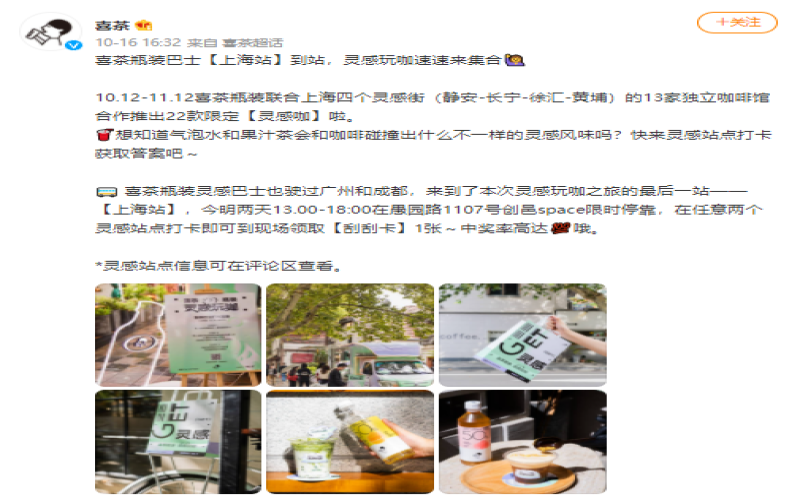
HEYTEA Inspiration Bus Concludes in Shanghai, Partnering with 13 Independent Cafés to Launch 22 Specialty Coffee Creations
The last stop of Heytea's bottled beverage "Inspiration Bus" has arrived in Shanghai, partnering with 13 independent coffee shops across the Jing'an, Changning, Xuhui, and Huangpu districts to launch 22 limited-edition "Inspiration Coffee" drinks. The bus previously stopped in Guangzhou and Chengdu, where it teamed up with 20 and 23 coffee shops respectively to roll out dozens of specialty drinks. Heytea's ties to coffee can be traced back to 2014, and it has continued to launch new products since then, officially entering the coffee arena in 2021 by investing in SEESAW COFFEE. However, these specialty drinks mixed with fruit juice and sparkling water, while friendly to those new to coffee, raise a question: are people who drink specialty coffee really savoring the flavor of coffee? Perhaps while enjoying mixed drinks, we should also bravely take a step forward to experience the unique charm of pure coffee. [more…]

Comparison of Two Geisha Blends: Green Bean, Roasting, and Flavor Differences Between Front Street Coffee's Gesha Village Chaka and Front Street Coffee's Panama Butterfly
Front Street Coffee has recently added several Gesha Village lots, including Gold Label, Red Label, and Chaka. Many coffee enthusiasts are curious: both being Gesha blends, what exactly is the difference between Front Street Coffee Gesha Village · Chaka and Front Street Coffee Panama · Butterfly? This article compares the two across three dimensions: green bean information, roasting curves, and brewing parameters and flavor performance. Both beans are primarily Gesha variety, and both flavor profiles carry citrus fruit notes, but Chaka has higher body with prominent nutty flavors, while Butterfly is cleaner and clearer with obvious floral notes. If you are choosing a Gesha blend, this comparison may help you find the one that suits you better. [more…]
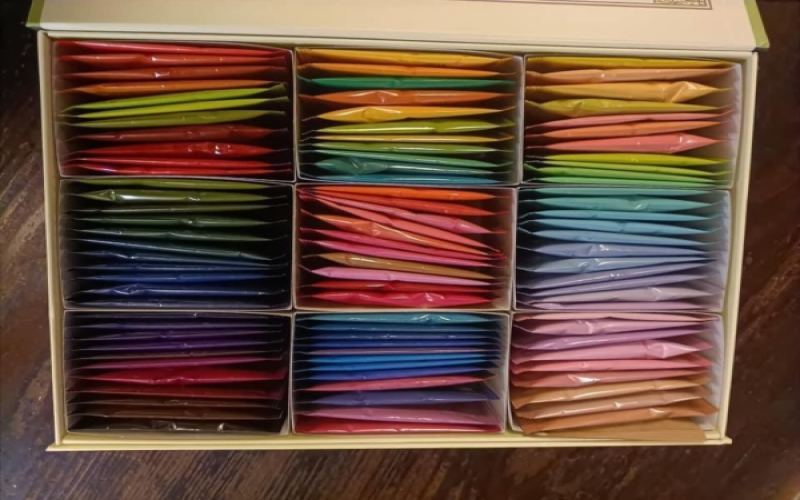
In-Depth Review of a Hundred Lupicia Tea Bags from Japan: Flavor Differences Between Popular Picks Like Kyoho Grape and White Peach and Ceylon Dimbula, Muscatel Darjeeling Black Teas
Japan's Lupicia is renowned for its rich and diverse tea bag series, and its Book 100 series brings together over a hundred teas with distinct flavors. Starting from the top 10 popularity ranking, this article reviews signature offerings one by one, including Kyoho, White Peach Oolong, and TOKIO Tokyo Wild Berry, while also taking an in-depth look at the flavor differences between Ceylon Dimbula and Darjeeling black tea. At the same time, it analyzes the real performance of specialty teas such as Nilgiri, deep-steamed sencha, and Cherry Black Tea. Whether you are a beginner just getting into Lupicia or a seasoned tea drinker looking for an everyday staple, this review can help you find the one that suits you best. Front Street Coffee will also combine tasting experience to share practical advice on selecting and brewing. [more…]

An In-Depth Analysis of Kenyan AA Specialty Coffee Beans: A Comprehensive Overview of Flavor Characteristics, Growing Region Conditions, and Grading Standards
Kenyan coffee has long been renowned worldwide for its bright fruit acidity and rich flavors, with the AA grade being widely recognized as its signature specialty. Front Street Coffee's Kenyan coffee greets the palate with vivid fruity notes of blackberry and grapefruit; at a light roast, that crisp acidity is often described as reminiscent of fruit tea, with a hint of wine lingering in the aftertaste. This article will guide you through the growing environment, variety composition, harvest rhythm, and farm operations behind Kenyan coffee, and provide a detailed breakdown of the grading system based on bean size and weight—including the definitions and characteristics of AA, AB, PB, E, and other grades—to help coffee lovers gain a comprehensive understanding of what makes this African specialty bean so unique. [more…]
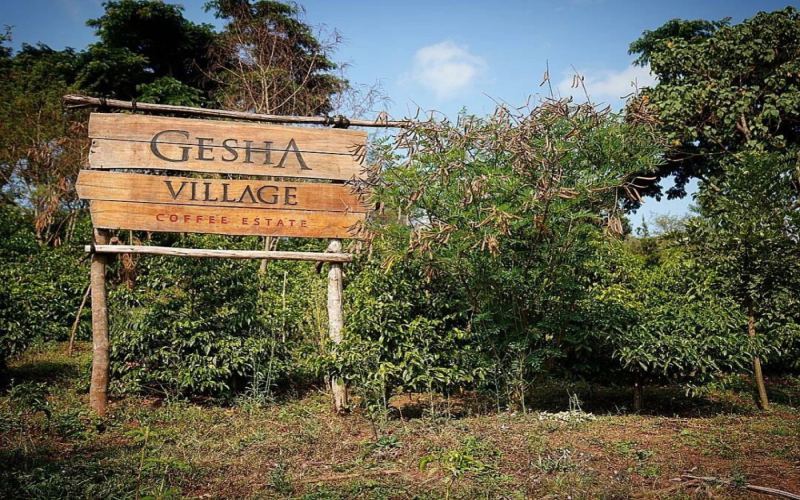
What are the differences between the various batches of coffee from Gesha Village in Ethiopia? A full breakdown of the Auction Lot, Gold, Red, Green, and Chaka
Ethiopia's Gesha Village Coffee Estate produces coffee with a style distinctly different from Panama Geisha, and has established a five-tier system: Auction, Gold, Red, Green, and Chaka. Front Street Coffee has long tracked and cupped these lots, and this article will go through the characteristics of each lot, from grading standards and flavor expression to natural processing and three-stage pour-over parameters. This year, the Gold Label shows a Panama-style profile of citrus, jasmine, honey, and tea notes; the Red Label is balanced with prominent nutty notes; the Green Label is full-bodied with berry acidity and vinous notes; and Chaka has a lower entry threshold with soft citrus and grapefruit acidity. It is suitable reading for coffee enthusiasts who want a systematic understanding of the Gesha Village product line. [more…]
Ethiopian Djimma Coffee Region: Characteristics, Flavor Analysis, and Price Reference
Djimma is one of the important coffee-producing regions in Ethiopia, and its sun-dried coffee beans are known for their bright acidity and rich floral and fruity aromas. This article will guide you through the growing environment of the Djimma region, the traditional sun-drying process, the characteristics of the green bean varieties, and the specific parameters for light roasting and pour-over brewing, along with Front Street Coffee's brewing recommendations, to help coffee lovers gain a comprehensive understanding of this heirloom coffee from the birthplace of coffee. [more…]